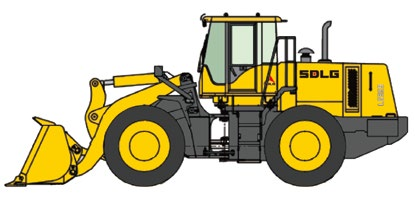
 Wheel Loader
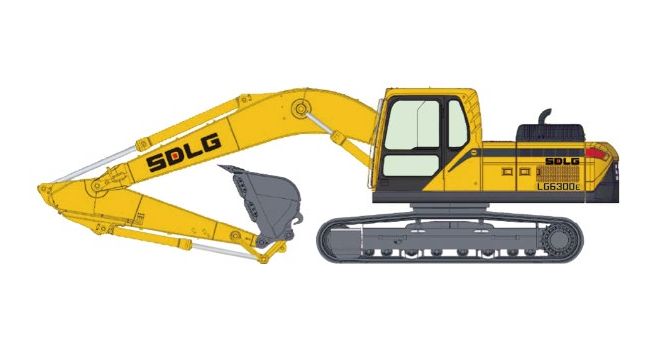 Excavator
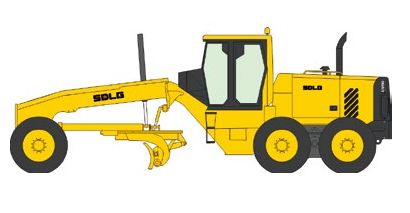 Motor Grader
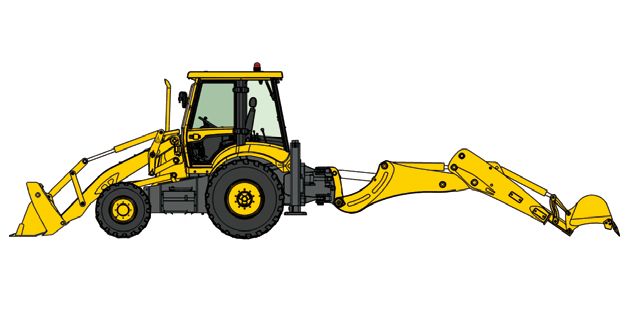 Backhoe Loader
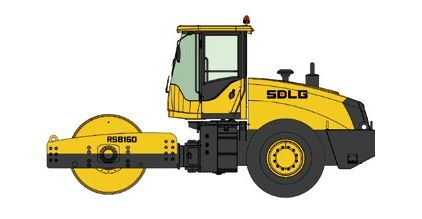 Road Roller
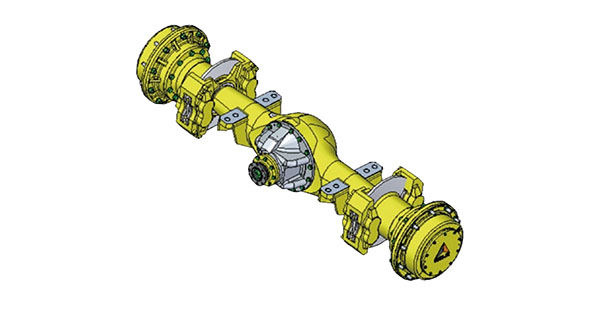 Spare Parts
Leave Your Message
You know, in the constantly changing world of construction, picking the right heavy equipment is super important for ramping up efficiency and productivity. There’s this report from the International Construction Equipment Association that says the global construction equipment market could hit around $260 billion by 2025. Crazy, right? That just shows how much people are looking for smarter machinery solutions these days. So, as industry leaders start to see how essential it is to choose the right equipment, companies like Linyi Weiman Import and Export Co., LTD. are really leading the way in this selection game. They’re based in Linyi City, Shandong Province, and they offer a bunch of awesome heavy construction gear—think wheel loaders, mini loaders, backhoe loaders, skid steer loaders, excavators, and motor graders. When it comes to making a choice, having a solid checklist can totally help cut through the noise and make sure clients get the machinery that fits their project needs perfectly.
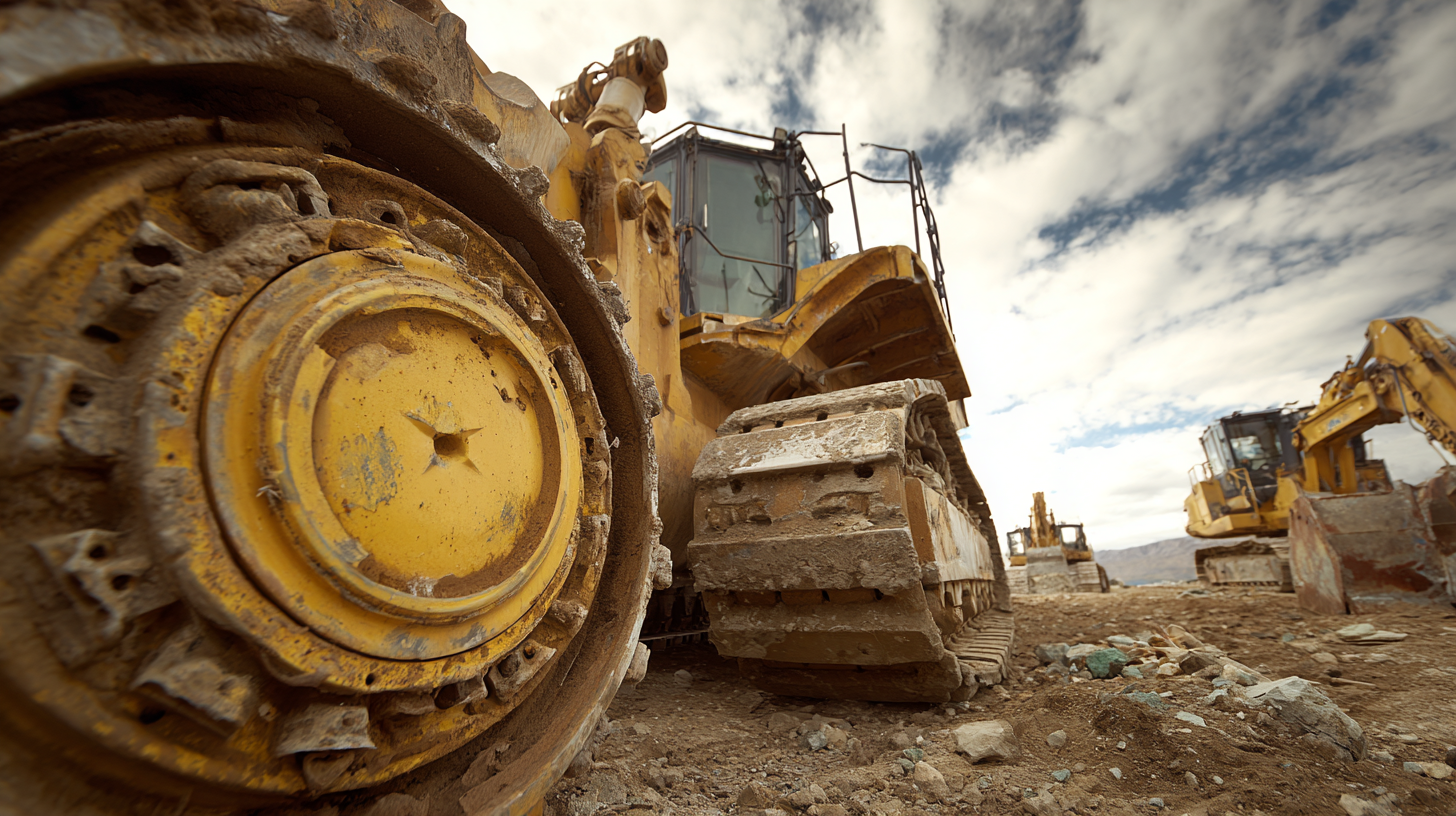
Choosing the right heavy equipment is more than just checking boxes; it’s really about making sure the machinery fits your specific needs. I came across this interesting report from the Association of Equipment Manufacturers (AEM), and they pointed out that picking the right gear can save organizations up to 25% on their operational costs! How awesome is that? The key here is matching your equipment’s capabilities to the tasks at hand, and of course, fuel efficiency is a biggie too.
Here’s a quick tip for you: Keep your project’s needs in mind, like load capacity, type of terrain, and how long you'll need the machinery. If things don’t line up, you could end up with extra wear and tear and lower productivity – no one wants that, right? Also, think about machinery that comes with cool tech features. Some studies show that machines equipped with telematics can really help with maintenance, and could even boost the life of your equipment by around 30%. Who wouldn’t want that?
Another big thing to consider is the reliability and service support from the manufacturer. The Equipment Leasing and Finance Association (ELFA) highlighted that getting timely support and having parts readily available can cut downtime by a whopping 40%! Choosing a manufacturer known for their reliability can really help keep your projects moving smoothly and within budget.
One last tip: Check out the service records for the equipment brands you’re looking at and don’t forget to peek at user reviews. They can give you a good feel for how reliable the brand is and what their after-sales support looks like. It’s also worth striking up a partnership with manufacturers that offer solid maintenance plans, so your machinery stays in tip-top shape for the long haul.
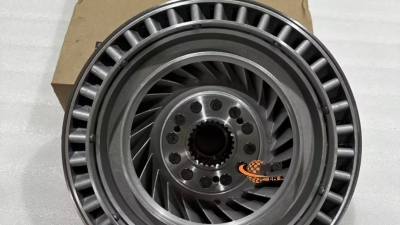
In the pursuit of optimizing machinery performance, the SDLG 4110000160072 Turbine stands out as an exemplary component for LG applications. This original turbine model, 1YJSW315-2A-1000, is engineered with precision to enhance overall efficiency and responsiveness in various operational contexts. Its high-quality construction ensures reliability and durability, making it a vital element that contributes significantly to the seamless functioning of machinery.
Investing in the SDLG 4110000160072 Turbine not only promises enhanced performance but also presents a cost-effective solution for machinery operators. With its favorable pricing, users can attain superior functionality without straining their budgets. This turbine's exceptional design amplifies the mechanistic processes, ensuring that machinery operates at optimal levels. The investment in such a reliable component can translate to long-term savings, reduced downtime, and improved productivity in LG applications.
Leveraging the benefits of the SDLG 4110000160072 Turbine allows businesses to maximize their machinery's potential. By integrating this robust turbine into their operations, users can expect enhanced performance metrics and a more efficient workflow. This combination of cost-effectiveness and high performance makes the 4110000160072 Turbine an indispensable part of modern LG machinery.
: A cost-benefit analysis involves evaluating the initial purchase price and long-term operational costs of heavy equipment against the potential revenue it can generate to ensure a financially sound investment decision.
Fuel efficiency and maintenance costs significantly impact the long-term operational expenses of heavy equipment, influencing the true cost of ownership and the overall return on investment.
Predictive analytics can provide insights into future performance and market trends, enabling companies to anticipate changes that may affect operational efficiency, thus enhancing decision-making.
A lifecycle cost assessment identifies the total costs associated with owning and operating heavy machinery throughout its entire lifespan, helping businesses optimize their investments.
Sustainability considerations are critical as companies aim to reduce their carbon footprints and align with global sustainability goals, which have become increasingly important to eco-conscious consumers.
The transition towards electric and hybrid machinery, along with growing sales of new-energy heavy trucks between 2021 and 2023, reflects a market shift towards greener solutions driven by tightening emissions regulations.
The projected growth of the global container homes market emphasizes the importance of adopting innovative, eco-friendly practices in heavy equipment procurement as companies respond to increasing environmental concerns.
The global container homes market is expected to grow at a compound annual growth rate (CAGR) of 6.7% from 2024 to 2032.
Aligning investments with sustainability goals enhances corporate responsibility and meets the expectations of eco-conscious consumers, positively shaping the industry's reputation and market responsiveness.
Corporate responsibility drives companies to incorporate sustainability metrics into their decision-making processes for heavy equipment procurement, fostering a commitment to reducing environmental impacts.