Picking the right excavation equipment is such a big deal when it comes to crushing your construction goals. In the always-competitive world of construction and earthmoving, having the right tools can really make a difference—boosting efficiency, cutting down costs, and keeping everyone safe on site. Since projects come in all shapes and sizes—big, small, simple, complex—it's super important to get a good handle on the different types of excavation gear out there and what they’re best suited for. That way, project managers and contractors like you can make smarter choices.
Thanks to tech advancements and smarter design, today’s excavation machines are pretty impressive. From trusty old-school diggers to shiny new hydraulic excavators, there’s a lot to choose from. Figuring out which one is right for your project means looking at things like soil type, how deep you need to dig, and how easy the site is to access. Don’t forget to consider fuel economy, how much maintenance they'll need, and how comfortable the operator will be—these little details can really help keep things running smoothly without unnecessary delays.
This guide’s gonna walk you through different kinds of excavation equipment, share tips on picking the right gear based on what your project needs, and even throw in some advice on balancing quality with your budget. Take your time to weigh your options, and you’ll be well on your way to choosing equipment that can handle whatever challenges your project throws at you.
Understanding Excavation Equipment: Types and Uses
When choosing the best excavation equipment for your project, it’s essential to understand the various types and their specific uses.
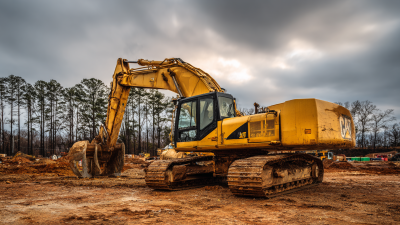
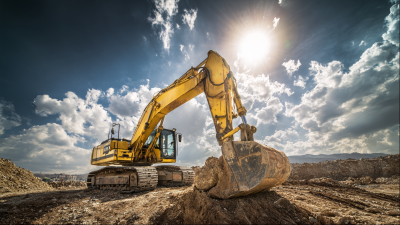
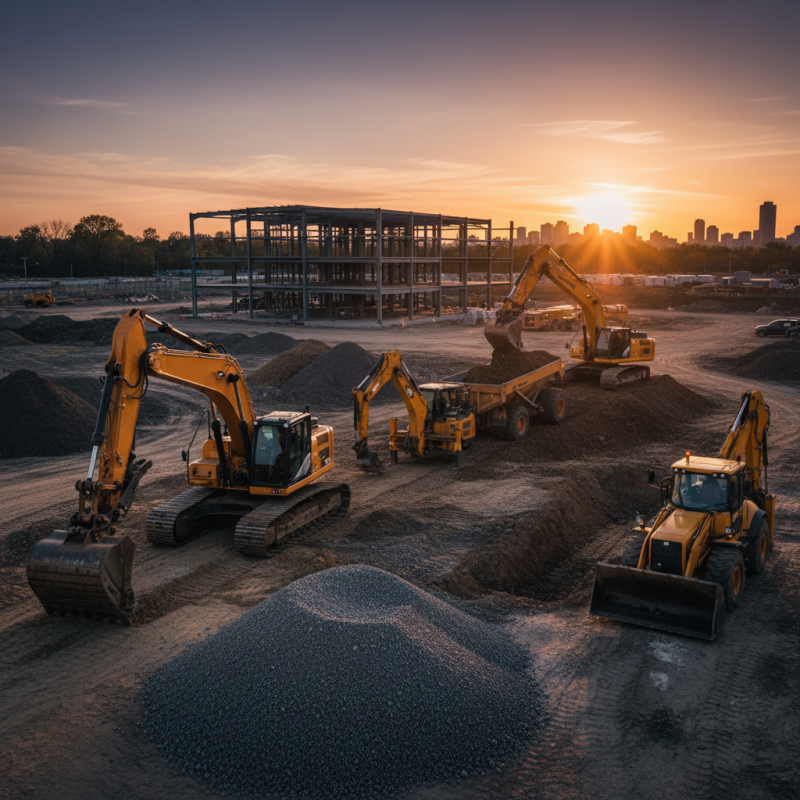
Excavators are one of the most versatile tools available. They are primarily used for digging trenches, holes, and foundations. Their ability to rotate 360 degrees allows for efficient maneuvering in tight spaces, making them ideal for urban construction sites. Additionally, attachments like buckets, breakers, and grapples can enhance their functionality, enabling tasks such as demolition or material handling.
Another crucial piece of equipment is the bulldozer, which excels in moving large volumes of earth. With a powerful blade at the front, bulldozers are perfect for leveling and grading land. They are particularly beneficial in large site preparations where substantial earth movement is required.
Similarly, backhoes combine the capabilities of a loader and an excavator, making them suitable for smaller projects where space is limited. Understanding these types of equipment and their specific applications will help you select the right tools for your excavation needs, ensuring project efficiency and effectiveness.
Key Factors to Consider When Choosing Excavation Equipment
When undertaking an excavation project, selecting the right equipment is critical to ensuring efficiency and safety. Key factors to consider include the type of soil, project scale, and the specific tasks at hand. For instance, a report by the Construction Equipment Guide indicates that varying soil conditions require different types of machinery; hard soils may necessitate heavier excavators, while softer terrains can be managed with lighter models. Understanding these soil dynamics not only enhances productivity but also minimizes equipment wear and tear.
Another essential consideration is the size and capacity of the equipment relative to your project specifications. According to industry standards, matching excavator size to the volume of earth to be moved can significantly improve cycle times and reduce operational costs. Overly large machines can incur unnecessary fuel costs and complicate maneuverability, while under-sized equipment might lead to delays.
Tips: Always conduct a thorough site assessment to understand the material and layout. Additionally, consult with industry reports and equipment usage charts to ensure the machinery aligns with the project's timeline and budget constraints. Lastly, prioritize equipment with advanced safety features, as this can greatly reduce the risk of on-site accidents.
Assessing Project Size and Requirements for Equipment Selection
When choosing excavation equipment, assessing the project size and requirements is crucial for optimal performance and efficiency. Begin by evaluating the scale of the project—whether it is a small residential site or a large commercial development. According to industry reports, projects exceeding 10,000 square feet may benefit from larger machines like excavators or backhoes, while smaller jobs might only need compact equipment. Understanding the terrain is also essential; uneven or rocky landscapes often require more robust machinery that can handle tougher conditions without compromising on safety.
Tip: Always consider the equipment's weight and maneuverability. Heavier machines are suitable for extensive earth-moving tasks, but their size may limit access to tighter areas. Assessing your site’s specific challenges can lead to better equipment choices and enhance overall productivity.
Additionally, it’s vital to factor in the soil type when determining the appropriate excavation equipment. Clay and sandy soils behave differently under machines, and specific attachments may be needed to improve efficiency. According to the National Utility Contractors Association, using the right equipment for the soil type can reduce project times by up to 30%.
Tip: Regular maintenance checks and operator training can significantly extend the lifespan of the machines and prevent costly downtime. Investing in proper upkeep ensures that equipment remains reliable and capable of meeting your project's demands.
Evaluating Equipment Performance and Efficiency
When choosing excavation equipment for your project, evaluating equipment performance and efficiency is crucial to maximizing productivity and minimizing costs. According to a report by the Association of Equipment Manufacturers, equipment downtime can equate to significant financial losses, often as much as $1,000 per hour depending on the project scale. Therefore, assessing the performance of the machinery based on metrics such as fuel consumption, operating speed, and digging efficiency is essential. For instance, equipment with advanced hydraulic systems can perform tasks more efficiently, reducing the time spent on each phase of an excavation project.
Additionally, it’s imperative to consider the efficiency ratings provided by industry standards. The Equipment Watch report highlighted that excavators with higher ratings not only deliver better performance but also require less maintenance, thus lowering the total cost of ownership over time. By analyzing factors such as the power-to-weight ratio and breakout force, professionals can make informed decisions about which equipment best suits their specific needs. Choosing equipment that balances performance and efficiency ensures that projects are completed on time and within budget, ultimately leading to a more successful operation.
Budgeting and Cost Analysis for Excavation Equipment
When budgeting for excavation equipment, understanding the initial costs and ongoing expenses is crucial for project success. According to a report from IBISWorld, the construction equipment rental market is expected to reach $55 billion by 2025, emphasizing the importance of choosing the right equipment to optimize costs. The primary expenditure often includes the purchase or rental of machinery such as excavators, backhoes, and bulldozers, with data indicating that rental costs can range from $1,500 to $4,500 monthly depending on the equipment type and size.
In addition to the upfront rental or purchase costs, it is essential to account for maintenance and operational expenses, which can significantly impact your overall budget. The Associated Equipment Distributors (AED) estimates that businesses should allocate around 10-15% of the equipment's value annually for maintenance. Moreover, fuel costs represent another critical factor; the U.S. Energy Information Administration reports fluctuations in fuel prices that can affect the operational budget of heavy machinery. By carefully analyzing these financial aspects, project managers can make informed decisions that align with their project timelines and financial goals, ultimately leading to efficient resource utilization and cost-effective project execution.
Maintenance and Support: Ensuring Longevity of Equipment
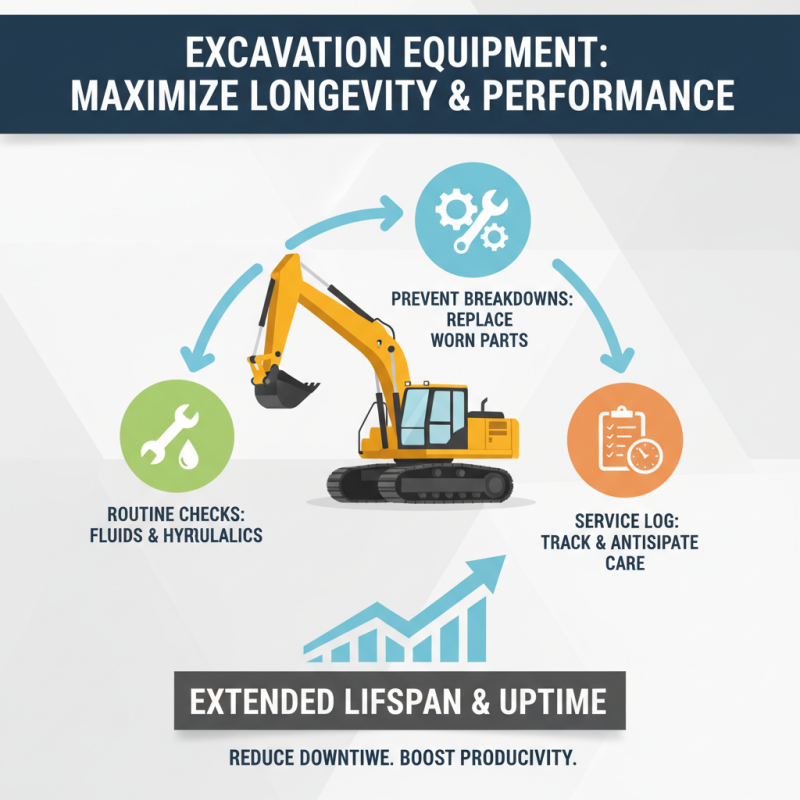
Maintaining excavation equipment is crucial for ensuring its longevity and optimal performance on job sites. Regular maintenance routines, including checking fluid levels, inspecting hydraulic systems, and replacing worn parts, can significantly extend the lifespan of the machinery. Scheduled upkeep not only keeps the equipment in good working order but also reduces the likelihood of unexpected breakdowns that can lead to costly downtime. Establishing a maintenance log helps track service history and anticipate future care needs, allowing project managers to stay ahead of potential issues.
In addition to routine maintenance, having access to reliable support and resources plays a critical role in the longevity of excavation equipment. An effective service provider can offer guidance on best practices for equipment care and troubleshooting common problems. Training operators on proper usage techniques can also minimize wear and tear. Furthermore, keeping spare parts readily available ensures quick repairs and helps maintain project timelines. Investing time and resources into both maintenance and support not only protects the investment in equipment but also enhances the overall efficiency and success of excavation projects.
Reviewing Manufacturer Reputation and Customer Feedback
When selecting excavation equipment for your project, understanding manufacturer reputation and scrutinizing customer feedback are crucial steps that can significantly influence your decision. Industry reports indicate that nearly 70% of contractors prioritize brand reliability and performance history when investing in equipment. A reputable manufacturer often stands behind their products, offering robust warranties and dedicated customer service that can greatly reduce downtime during critical project phases.
Moreover, customer feedback provides invaluable insights into equipment performance in real-world conditions. According to a survey conducted by a leading construction industry organization, 85% of users cited that customer reviews and testimonials played a vital role in their equipment selection process. These reviews often highlight the durability, efficiency, and operational ease of various machines, allowing potential buyers to gauge how well the equipment can meet their specific project needs.
Aggregating this feedback can create a clearer picture of a manufacturer’s standing in the market and aid in avoiding brands with recurrent quality issues. By focusing on both manufacturer reputation and customer experiences, project managers can make informed decisions that enhance productivity and ensure successful project outcomes.
Essential Guide to Selecting the Right Hydraulic Filter for Excavators and Loaders
When it comes to maintaining the performance and longevity of excavators and loaders, selecting the right hydraulic filter becomes an essential task for operators and maintenance personnel. A quality hydraulic filter not only keeps the hydraulic system clean but also ensures the efficient operation of the machinery. The right filter plays a critical role in preventing contaminants from entering the hydraulic fluid, which can lead to equipment failure and increased maintenance costs.
The original hydraulic filters specifically designed for excavators and loaders can significantly enhance operational efficiency. With high-quality construction, these filters provide superior filtration capabilities, which improves the responsiveness of machinery. As dirt and debris are filtered out effectively, operators can expect a smoother performance and reduced wear on hydraulic components. Furthermore, investing in reliable hydraulic filters can result in fewer breakdowns and downtime, ultimately leading to cost savings in the long run.
Considering the importance of hydraulic filters, it's advisable to choose products that offer a favorable balance of quality and pricing. High-quality hydraulic filters, while competitively priced, are essential for effective machinery operation, making them a crucial component in the maintenance routine of heavy equipment. By selecting the right hydraulic filter, operators can ensure their excavators and loaders remain in peak condition and perform optimally on the job site.
FAQS
: When selecting excavation equipment, it’s important to assess the project size, terrain, soil type, and the specific challenges of the site. Larger projects may require heavier machinery, while smaller jobs might be suitable for compact equipment.
Different soil types, such as clay and sandy soils, behave differently under machinery. Specific attachments may be needed to maximize efficiency, and using the right equipment can reduce project times significantly.
Regular maintenance, including checking fluid levels and inspecting systems, can extend the lifespan of machinery and prevent unexpected breakdowns, thereby reducing costly downtime.
Poor equipment performance can lead to significant financial losses due to downtime. Assessing metrics like fuel consumption and operating speed is crucial for maximizing productivity and minimizing expenses.
Efficiency can be enhanced by choosing equipment with advanced hydraulic systems, optimized power-to-weight ratios, and good breakout force, which ensure tasks are completed more quickly and with less maintenance.
Training operators on proper usage can minimize wear and tear on the equipment, ensuring better performance and longevity, as well as preventing costly mistakes on the job site.
A maintenance log helps track service history and anticipate future care needs, enabling project managers to proactively address potential issues and maintain equipment reliability.
Reliable support and guidance from service providers can assist with equipment care and troubleshooting, ensuring better maintenance practices and quicker repairs when needed.
Choosing the right equipment based on the site’s specific challenges and requirements can lead to more efficient operations and help maintain project schedules.
Equipment efficiency ratings are essential as higher-rated machines often perform better and require less maintenance, resulting in lower overall ownership costs and improved project outcomes.
Conclusion
When selecting excavation equipment for a project, it is essential to understand the various types and their specific uses to ensure optimal performance. Key factors to consider include the project's size and requirements, which directly impact the selection process. Evaluating the performance and efficiency of the equipment is crucial, as it determines how effectively the machinery will complete the job.
Budgeting and cost analysis play critical roles in this decision-making process, ensuring that the chosen equipment remains within financial constraints while meeting project demands. Additionally, proper maintenance and support are necessary for the longevity of excavation equipment, safeguarding your investment over time. Finally, reviewing the manufacturer's reputation and customer feedback provides valuable insights, aiding in the selection of reliable equipment for successful project execution.

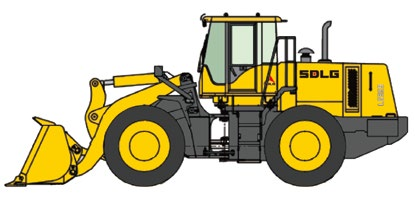 Wheel Loader
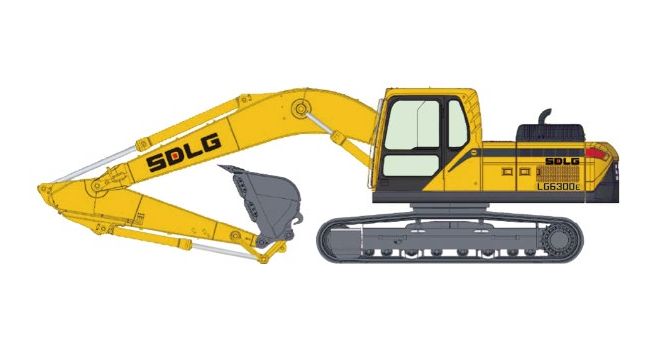 Excavator
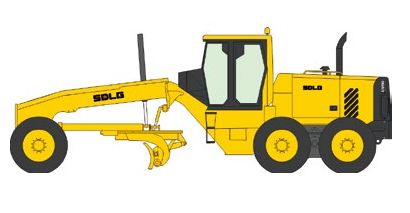 Motor Grader
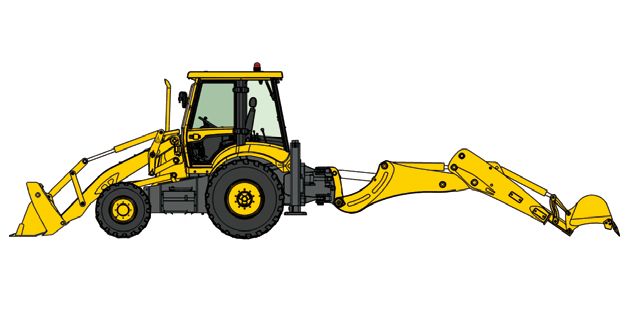 Backhoe Loader
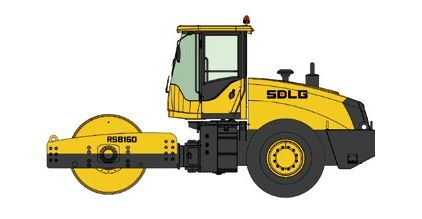 Road Roller
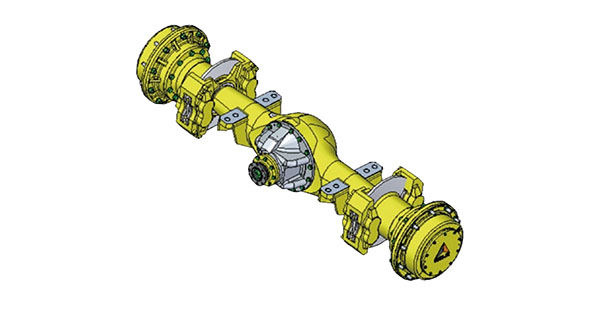 Spare Parts