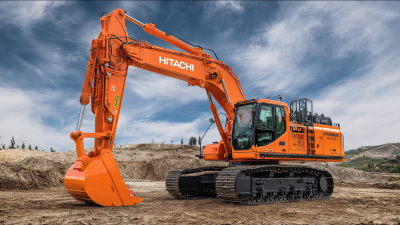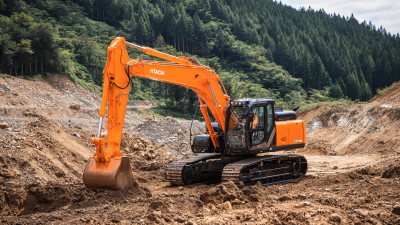
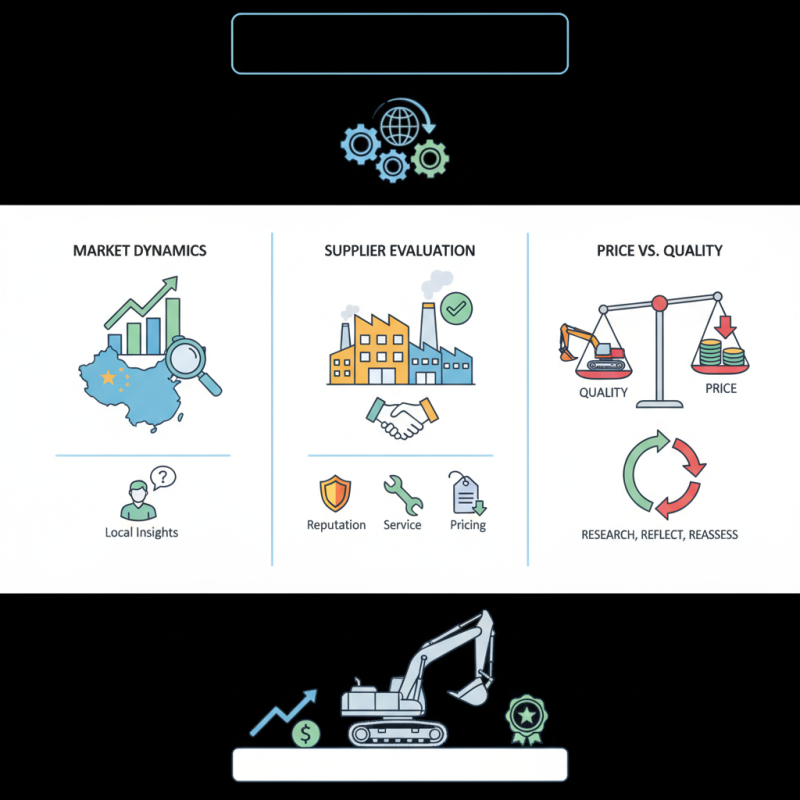
So, you're thinking about buying a bunch of Hitachi excavators from China, huh? Navigating the whole wholesale pricing thing can get pretty tricky. John Mitchell, an industry veteran in construction equipment sourcing, always says that really understanding how the local market works can save you a ton of money. Honestly, his advice is a reminder that doing your homework is totally worth it if you want the best deals out there.
And don’t forget to check out different suppliers. Not everyone has the same prices or quality — some might be cheaper upfront but leave you hanging when it comes to after-sales support. It’s really important to look into how reputable they are and what kind of service they offer. Taking a bit of time to do that can save you a headache down the line.
Plus, while those bargain options might look tempting, they might not actually fit what your project needs. Striking a good balance between price and quality is key here. Paying close attention to the details can help you land a solid Hitachi excavator at a fair price. And hey, revisiting your previous purchases and lessons learned can really help you make smarter choices next time around.
When looking for reliable wholesale suppliers for excavators, research is essential. Check online marketplaces and directories. Read reviews to gauge trustworthiness. A supplier’s reputation plays a crucial role in your decision.
Tips: Always ask for references. Verified feedback can save you from unreliable suppliers. Additionally, visiting trade shows can help build connections. You may find potential partners and evaluate their products firsthand.
Negotiate terms carefully. Not all suppliers offer the same price. Some might seem cheaper but lack quality. Scrutinize their warranties and after-sales support. Remember, a low price does not always mean a good deal.
Lastly, keep an eye out for red flags. Suspiciously low prices or unresponsive communication can indicate issues. Trust your instincts and seek alternative options if necessary.
When purchasing excavators, understanding cost factors is crucial. Several elements impact the final price. These include manufacturing quality, design complexity, and engine efficiency. Models with advanced technology tend to be more expensive. However, they often offer better performance. Make sure to evaluate the specifications carefully.
Shipping costs can also add significantly to the total. Depending on the distance, fees may fluctuate. It's wise to research logistical partners known for efficiency. Some suppliers do not include these costs upfront, leading to unexpected expenses. Transparency in pricing is key.
Additionally, market demand influences rates dramatically. In busy seasons, prices can soar. Keeping an eye on market trends helps you buy wisely. Consider timing your purchase to avoid high prices. Negotiating with suppliers may yield better deals, yet not every agreement will favor you. Reflecting on these factors ensures a more informed decision.
The excavator market in China shows dynamic trends. In recent years, the demand for heavy machinery has increased by over 15%. This growth offers significant opportunities. However, it also comes with risks that buyers must understand. Volatility in prices can make purchasing decisions challenging. Understanding the factors influencing these trends is crucial.
Prices for excavators can fluctuate based on supply and demand. In 2022, the average price saw a rise of 10% due to increased material costs. Buyers should analyze these fluctuations closely. Additionally, regional variations can affect pricing. Assessing local markets might reveal better deals.
Tips: Always research current market conditions. Engaging with local distributors provides insights. A quick check online can reveal real-time price changes.
Buyers should also evaluate the resale value. Some excavators depreciate quickly. Focusing on durability and brand reputation may pay off. Less popular models may appear cheaper but can incur high maintenance costs. It’s essential to balance current prices with future needs.
This bar chart illustrates the average prices of excavators in China across different quarters of 2023. It shows the fluctuations in prices, highlighting potential opportunities and risks for buyers in the wholesale market.
Negotiating bulk purchase discounts is crucial for buyers of excavators. Understanding market trends can help leverage better pricing. According to a recent industry report, the demand for excavators is projected to grow by 4.5% annually until 2027. This increase in demand often leads to higher prices, making negotiations essential.
Timing is key. Engage suppliers during off-peak seasons when demand is lower. This could lead to favorable pricing. Additionally, being informed about competitors' prices and offerings allows buyers to present compelling counteroffers. A study by industry analysts reveals that informed buyers can save up to 15% on bulk orders by actively negotiating terms.
Building a strong relationship with suppliers can also yield benefits. Speak openly about your purchasing volume and future needs. Offer to share feedback on the machines. Such collaboration can motivate suppliers to offer better discounts. However, it’s important to approach these negotiations with realistic expectations. Not all negotiating tactics yield instant results. It requires patience and often several discussions. Buyers should reflect on their negotiation strategies to adapt and improve continuously.
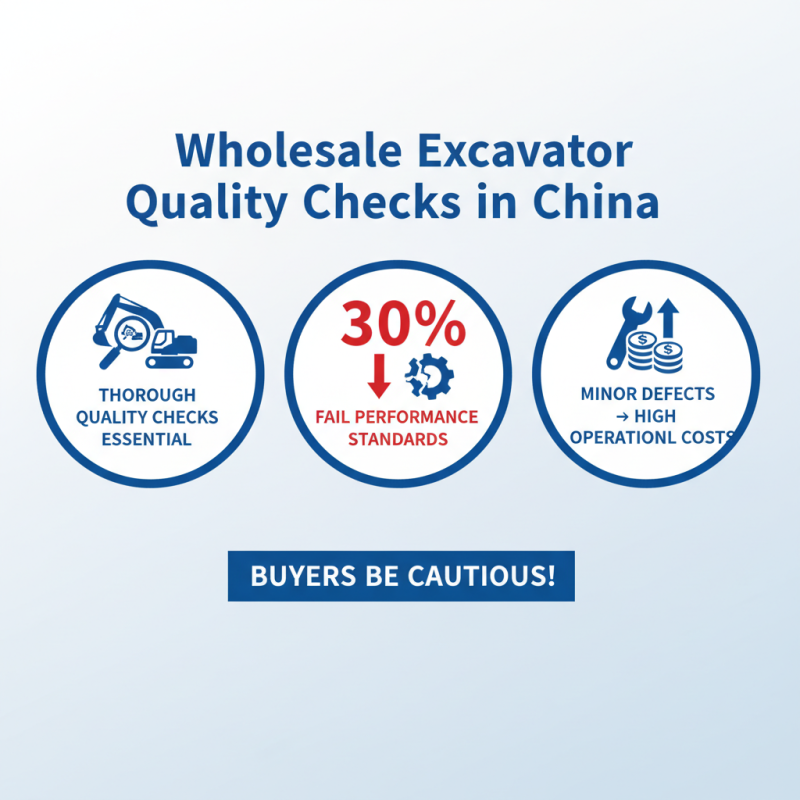
When purchasing wholesale excavators in China, thorough quality checks are essential. In recent industry studies, it was reported that nearly 30% of excavators fail to meet performance standards. Buyers must be cautious, as even minor defects can lead to substantial operational costs.
Inspecting key components like the hydraulic system and engine performance is crucial. Research suggests that over 60% of excavators suffer from hydraulic issues within the first year of usage. Pay attention to seals, hoses, and joint connections. A simple visual inspection could reveal significant problems before your investment is finalized.
Documentation also plays a vital role. Verify the manufacturer's certifications and quality assurance processes. A reputable supplier should readily provide these details. However, industry surveys show that about 40% of suppliers lack proper documentation. Trust but verify. A meticulous approach ensures you avoid poor-quality equipment that could impact your work.
When considering the import of excavators from China, understanding regulations is vital. Many countries impose strict trade regulations. For instance, the World Bank reported that import duties can range from 0% to 30% depending on the country. Not having this information can significantly impact the overall cost of the machinery.
Import duties often include additional fees. For example, customs handling charges can lead to unexpected costs. A report from the International Trade Administration highlights that these can add 2% to 5% to the total import cost. This makes thorough research essential. Incomplete knowledge might lead to costly mistakes.
Navigating these regulations can feel overwhelming. Each country has its own import policies. It's crucial to consult with import experts or local authorities. Having a clear understanding of all fees and requirements will help maintain profit margins. Builders and contractors must recognize the importance of this process. Failing to address these issues could lead to delays in project timelines and increased costs.
When considering wholesale purchases of excavators, financing options play a crucial role. Many buyers face challenges due to the high upfront costs. In recent years, data indicates that 70% of construction companies leverage financing to enhance their cash flow. This approach allows for easier acquisition of heavy machinery, like excavators, without the burden of immediate large payments.
Flexible financing solutions can vary significantly. Options may include loans, leasing agreements, or vendor financing. In fact, market analysis shows that leasing can reduce initial expenses by up to 30%. However, it’s essential to read the fine print. Many contracts come with hidden fees or terms that can become burdensome over time. Understanding these details is vital for informed decision-making.
Cash flow management is also a key consideration. Companies should assess monthly payment plans against their revenue projections. 40% of small businesses report cash flow issues when investing in heavy machinery. Thus, potential buyers must evaluate their financial stability and growth forecasts before committing. Creating a detailed budget could help illuminate these factors.
| Model | Wholesale Price (USD) | Financing Options | Availability |
|---|---|---|---|
| Excavator A | $45,000 | Lease-to-Own, Financing through Partners | In Stock |
| Excavator B | $55,000 | Bank Financing, Monthly Installments | Limited Stock |
| Excavator C | $60,000 | Cash Discount Available, Trade-In Options | Pre-Order Only |
| Excavator D | $70,000 | Flexible Payment Plans, Leasing Options | Backorder |
: The product aims to enhance daily convenience and improve user experience in multiple tasks.
Durability can vary. Regular use may require replacements sooner than expected.
It's designed for versatility. However, extreme conditions may affect performance.
Cleaning is straightforward. Still, some areas may require extra effort.
Various materials are utilized. Some may not withstand heavy wear over time.
General safety precautions are recommended. Users should remain cautious during use.
The warranty typically lasts for a limited time. Check details before purchase.
Availability of replacement parts may vary. It’s best to check with the seller.
Common problems have basic fixes. However, some issues might need professional help.
Feedback tends to be mixed. Some aspects impress users, while others need improvement.
This article provides a comprehensive guide for purchasing Hitachi Excavators wholesale at the best price. It begins by outlining how to identify reliable suppliers, emphasizing the importance of vetting potential partners to ensure quality and dependability. The discussion of cost factors that influence pricing, such as production and transportation expenses, helps buyers understand what contributes to the final price of Hitachi Excavators.
Additionally, the article analyzes current market trends in China, highlighting both opportunities and risks involved in the excavator market. Key tips for negotiating bulk purchase discounts and essential quality checks for evaluating excavators are also included, ensuring that buyers make informed decisions. Moreover, it covers navigating import regulations and duties, as well as financing options available for those looking to invest in wholesale purchases of Hitachi Excavators, ultimately guiding readers through the complexities of international procurement.